
Learn / Blood Sugar
Blood SugarWhy your blood sugar spikes — and how to stay steady all day
 Jonathan Carp, MD·July 2026·~2 min read
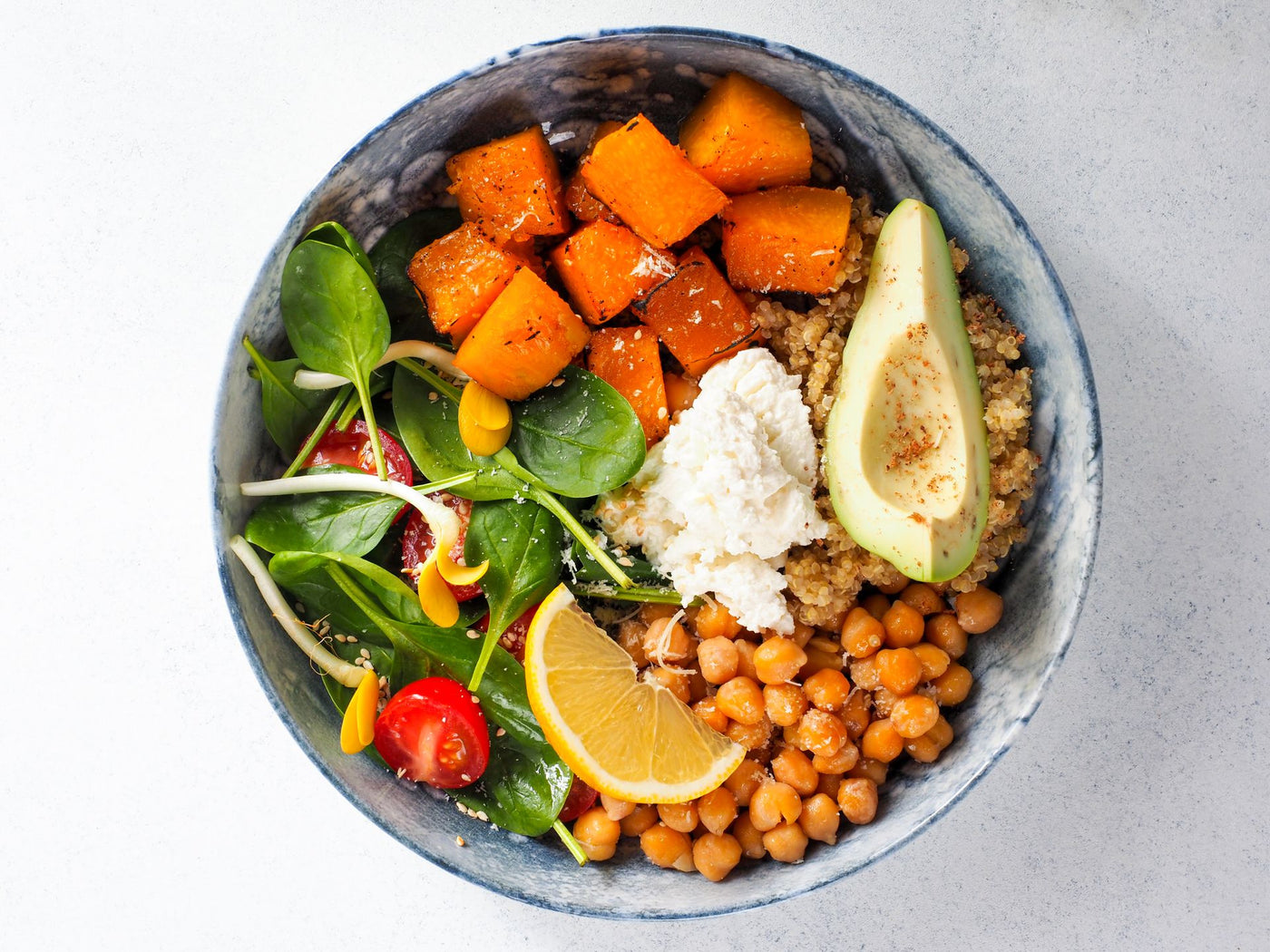
The drop is the part you feel. Here's the simple mechanism behind the post-meal spike and crash — and why a plate built on protein and fiber keeps you steady.
Most meals do the same thing: they take your blood sugar up, hold it there, then drop you. The drop is the part you feel — the slump, the fog, the hunger that shows up an hour after you ate. Here's the mechanism behind it, and why a plate built on protein and fiber keeps you steady instead.
The spike, in one sentence
When you eat something that breaks down quickly into glucose — bread, white rice, most pasta — your blood sugar climbs fast. Your body answers with insulin to bring it back down, and because the climb was steep, the comedown often overshoots. That overshoot is the crash. And this is the reason why a "light" lunch of pasta can leave you reaching for a snack by three.
Why protein changes the curve
Adding protein to a meal can maintain blood sugar levels, because protein slows digestion. When you lead with it — or build the meal around it — the glucose from the rest of the plate arrives gradually instead of all at once. The curve flattens.
That's the whole reason the egg white noodles start with 10 grams of clean protein. Egg white has a very high biological value, which basically means your body recognizes it and uses nearly all of it. You get the bowl you grew up with, without the spike that usually comes with it.
The fiber half of the story
There are two kinds of fiber, and the simple difference is this: insoluble fiber is kind of rough and moves things through, while soluble fiber is like a gel. The konjac shapes are almost entirely soluble fiber — and that gel slows digestion too, which is part of why a konjac bowl sits so easy.
On top of that, soluble fiber is food for the natural bacteria in your gut. When those bacteria are well-fed and happy, everything downstream tends to run a little smoother.
The steady-day starter kit
Four moves that keep you steady
- Lead with protein. Eat it before the carbs, not after — the same meal lands softer.
- Keep the flour out. No bread, no grain, no spike to come down from.
- Add soluble fiber. It slows digestion and feeds the bacteria in your gut.
- Don't skip the meal. Steadiness comes from eating well, not eating less.
What steady feels like
No climb, no crash. Energy that holds instead of spiking and dropping. Fullness that stays for a few hours instead of one. It's not dramatic — and that's the point. A steady blood sugar is quiet. You mostly notice it by what stops happening: the 3pm slump, the second dinner, the snack you didn't actually need.
The takeaway
Keep the flour out, lead with protein, add soluble fiber — and the same meal lands soft instead of spiking. That's steady, and it's the whole idea behind the noodles.
The lesson, in a bowl
Egg White Spaghetti
Clean protein in the shape you grew up with.

Jonathan Carp, MD
A board-certified physician who started Miracle Noodle in 2006 for his own patients. He doesn’t want to sell you something — he wants to help you become your own authority in your health.