Learn / Gut & Fiber
Gut & FiberThe Two Kinds of Fiber in Your Noodles
 Jonathan Carp, MD·July 2026·~1 min read
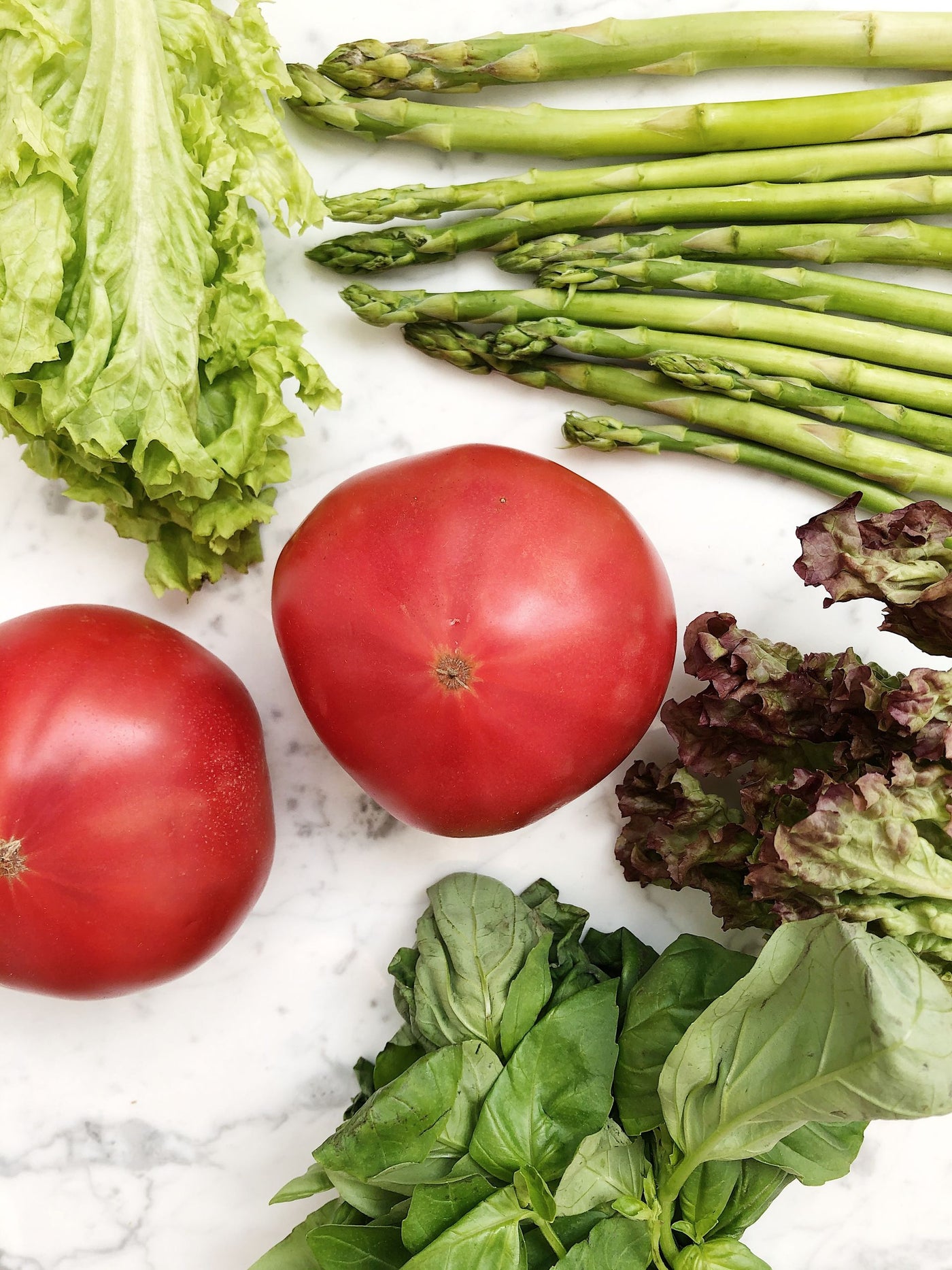
Fiber isn't one thing. It's two — and only one of them feeds the bacteria living in your gut.
Most people file fiber under a single heading: roughage, the thing that keeps you regular. That's true, but it's only half the story, because there are two kinds of fiber and they do two very different jobs.
The two-bucket split
There's insoluble fiber, which is kind of rough — it doesn't dissolve, and its job is mechanical. It keeps things moving through. And there's soluble fiber, which acts like a gel: it dissolves in water, slows digestion down, and — this is the part that matters — it's food for the bacteria already living in your gut. Konjac is the soluble kind.
The simplest way to hold it: insoluble is the broom, soluble is the meal. You want both, but the one most of us are short on is the meal.
Why “feeds the bacteria” matters
Soluble fiber is what's called a prebiotic — the step before probiotics. Probiotics are the bacteria themselves; a prebiotic is what you feed them. There's not much point seeding a garden you never water, and there's not much point taking probiotics if the bacteria you already have are going hungry.
When the natural bacteria in your gut are well fed, they produce short-chain fatty acids, and everything downstream tends to run a little smoother — digestion, comfort, the daily rhythm of things. You don't feel a single meal doing it. You feel the pattern.
What to do this week
You don't need a supplement aisle for this. A bowl of konjac noodles is soluble, prebiotic fiber with almost no calories — an easy, pleasant way to keep that gel-like fiber in your diet without thinking hard about it. Have one, notice nothing dramatic, and let the pattern do the work.
And this is the reason why we keep coming back to the same quiet idea: the goal isn't to eat more of everything. It's to feed the right things, consistently.
— Jonathan Carp, MD, Founder of Miracle Noodle
Jonathan Carp, MD
A board-certified physician who started Miracle Noodle in 2006 for his own patients. He doesn’t want to sell you something — he wants to help you become your own authority in your health.